Skip to content
Softora Innovation
Menu

Focus areas

Each area below is a research interest, explained in plain language with some background and the open questions we find most interesting.

Technology

Hardware, encryption, and learning from data.

Microcontrollers and Embedded Systems

A microcontroller is a small computer on a single chip, built into a device to do one job, such as reading a sensor or switching a motor. An embedded system is that chip together with the hardware and software around it. We explore how microcontrollers are programmed, how connected devices share data, and which embedded technologies are practical to build and maintain in Nepal.

Open questions

  • Which microcontrollers are practical to source, program, and repair locally?
  • How can low-power devices collect useful data where electricity and connectivity are unreliable?
  • How should small connected devices be kept secure?
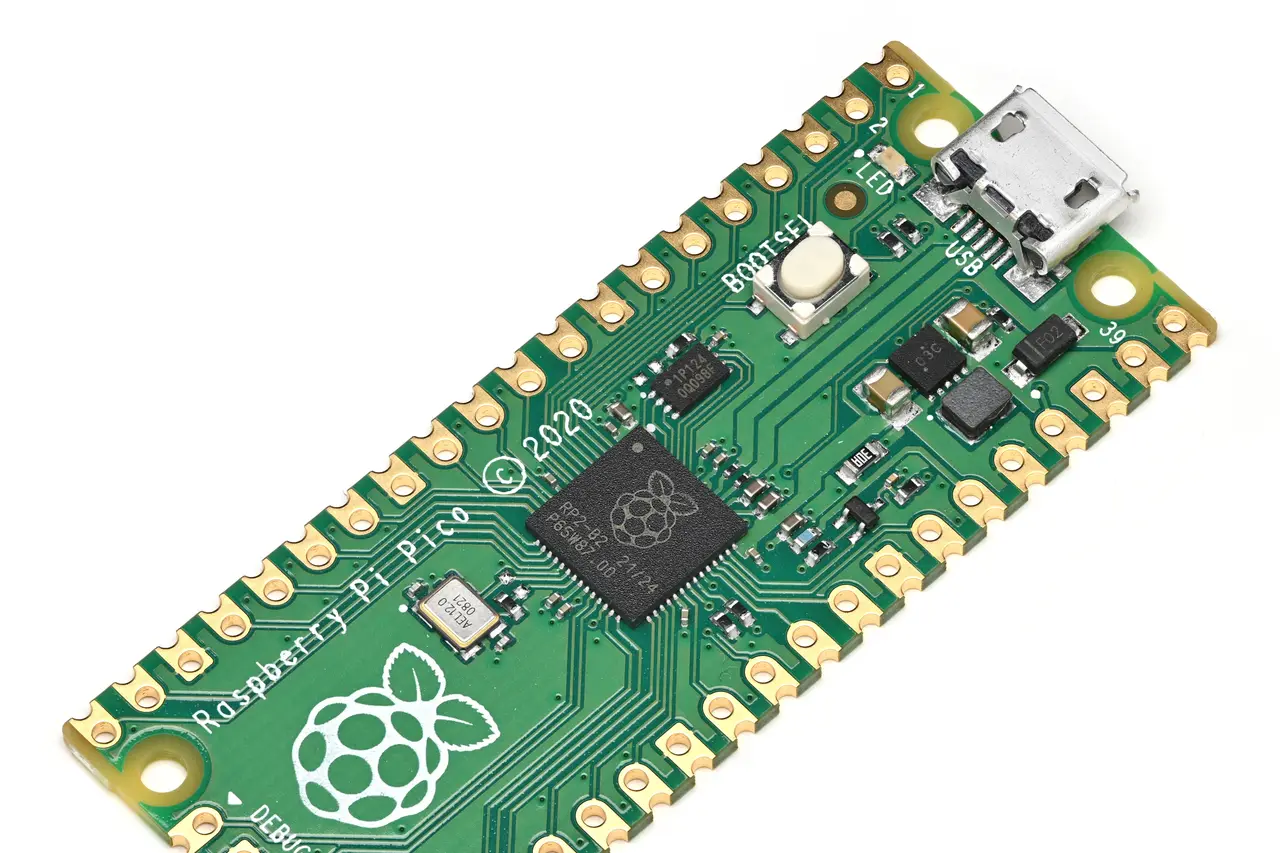
A green Raspberry Pi Pico microcontroller board seen at an angle
A Raspberry Pi Pico, a small microcontroller board. Photo: Phiarc, CC BY-SA 4.0.
Try it: how an embedded system works

Move the slider past 30 °C and watch the program switch the fan on.

  1. SenseA sensor reads the temperature: 26 °C
  2. DecideThe microcontroller runs its program.
    if (temperature > 30) fan = ON

    The condition is false.

  3. ActFan off

Post-Quantum Cryptography

Much of today's encryption relies on mathematical problems that ordinary computers cannot solve in any reasonable time. A large enough quantum computer could solve some of them, exposing information protected that way. Post-quantum cryptography covers methods intended to stay secure even then. We explore how these methods work and what moving existing systems over to them would involve.

The gold-coloured inner structure of a quantum computer, hanging in a dark room
An IQM quantum computer in Espoo, Finland. Photo: Ragsxl, CC BY-SA 4.0.

Open questions

  • What would moving an existing system to post-quantum methods involve in practice?
  • How do the new algorithms perform on small, low-power devices?
  • Which information needs protecting now against decryption in the future?
Post-quantum standards at NIST
  1. 2016The US National Institute of Standards and Technology (NIST) opens a public process to choose post-quantum algorithms.
  2. 2022NIST announces the first algorithms selected for standardization.
  3. 2024NIST publishes its first three post-quantum standards: FIPS 203, 204, and 205.

Source: NIST, August 2024

Artificial Intelligence and Machine Learning

Artificial intelligence (AI) covers computer systems that perform tasks such as recognizing patterns, reading text, or making predictions. Machine learning (ML) is the part of AI in which a system learns those patterns from examples in data instead of following hand-written rules. We explore intelligent systems, data analysis, and practical applications of AI and ML, including uses for data from Nepal.

Open questions

  • Where can machine learning help with local problems, and where is it the wrong tool?
  • How much data does a useful model need, and how good is the data that exists?
  • Can useful models run on inexpensive hardware?
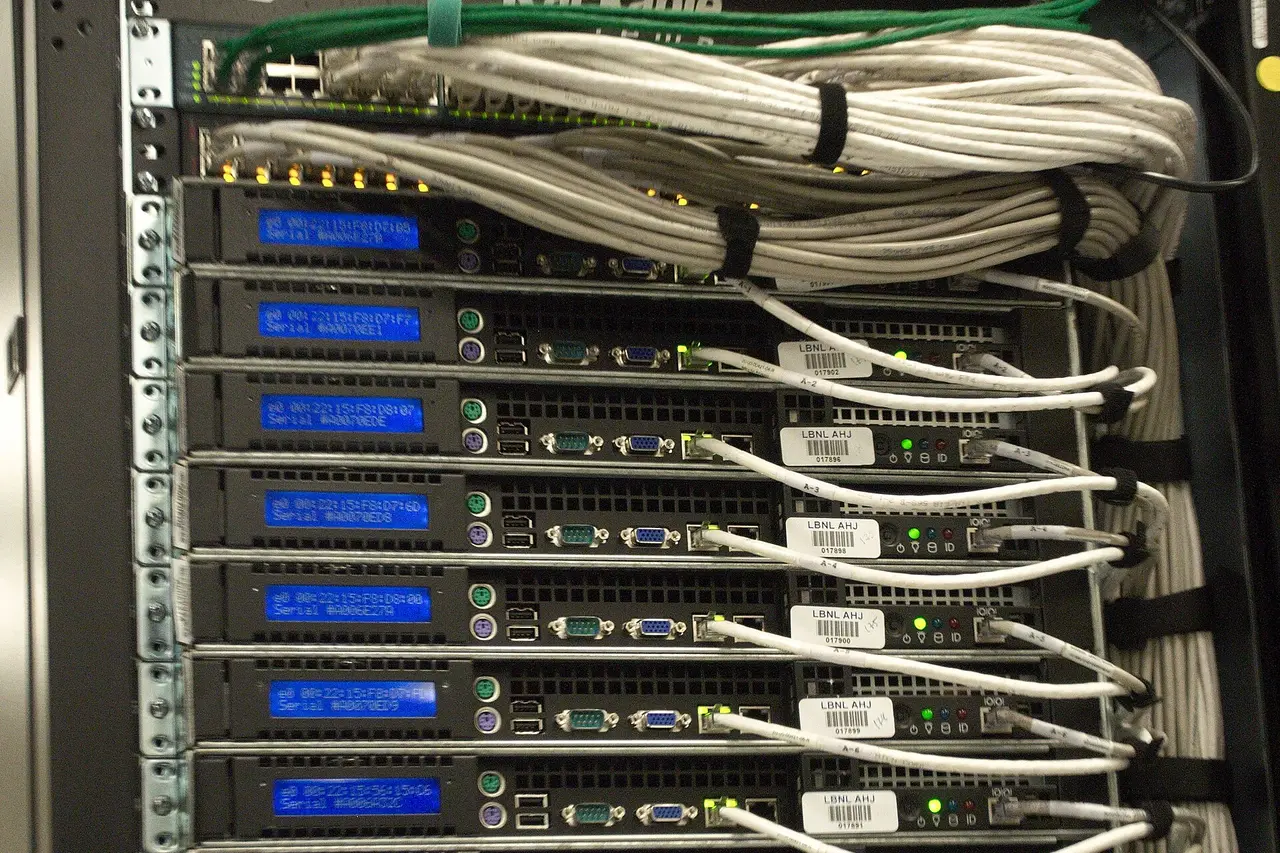
The back of a rack of servers, with bundled cables running across them
The back of a server rack at the NERSC data center. Photo: Derrick Coetzee, CC0 1.0.
Try it: teach a model

Click the area to add examples. The shading shows what the model has learned so far.

Kind of example to add

Click the area to add examples.

Rules written by hand, or learned from data
A conventional program
RulesandDataproduceAnswers
Machine learning
DataandAnswersproduceA model (learned rules)

Markets and development

How Nepal's economy and towns change over time.

NEPSE and Market Research

NEPSE is the Nepal Stock Exchange, where shares in Nepali companies are traded. We study this market through data and analytical methods: how prices and trading activity change over time, and what historical data can and cannot tell us. This is a research interest. We do not give investment advice or offer trading services, and nothing on this site recommends buying or selling.

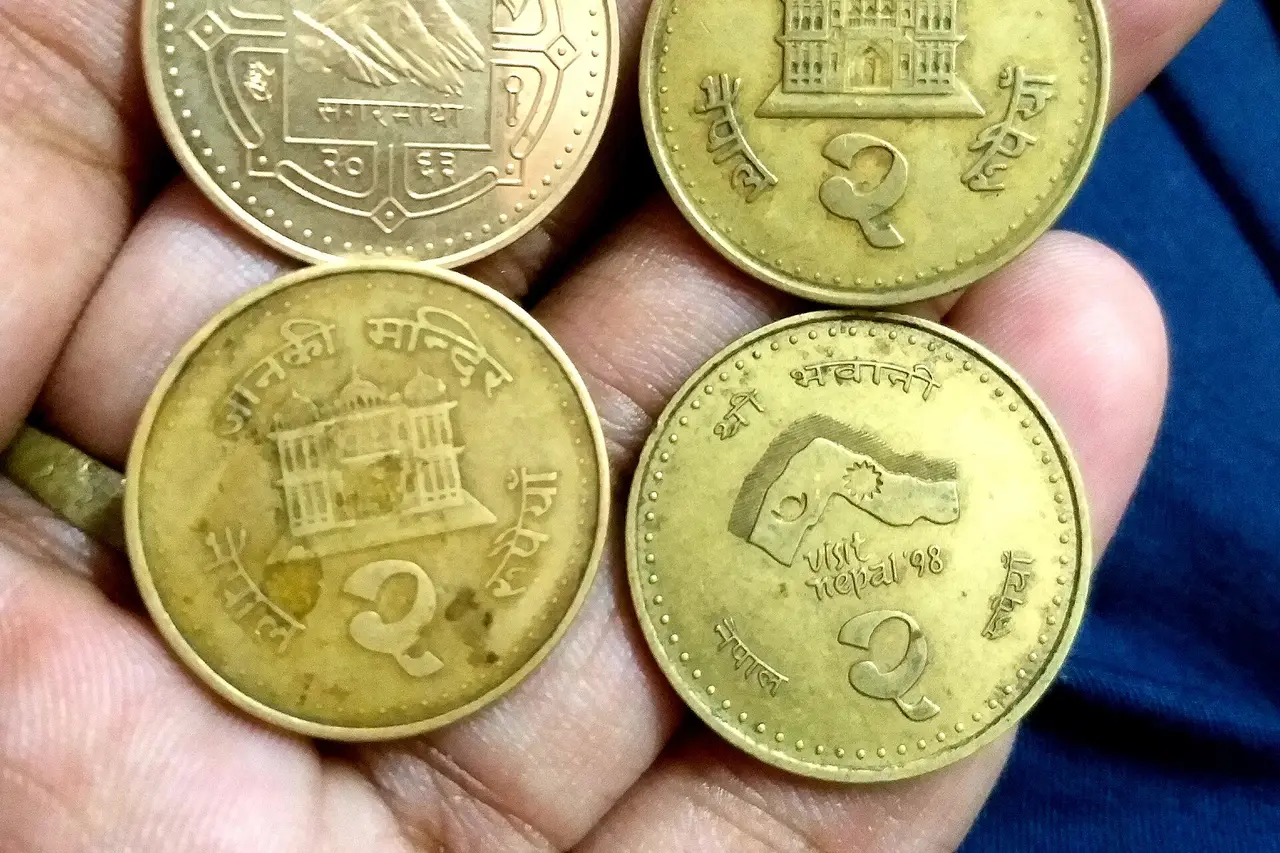
Four brass Nepali two-rupee coins held in an open hand
Nepali two-rupee coins. Photo: Billjones94, CC BY-SA 4.0.

Open questions

  • How have prices and trading activity on NEPSE changed over time?
  • What can historical market data show, and what can it not show?
  • How do policy and economic events relate to market activity?
NEPSE in brief
  1. 1976The Securities Exchange Centre is founded.
  2. 1993It is converted into Nepal Stock Exchange Limited (NEPSE).
  3. 1994NEPSE opens its trading floor on 13 January.

Source: Nepal Stock Exchange, Wikipedia

Urbanization, Planning, and Development

As towns and cities in Nepal grow, they raise practical questions about roads, water, housing, land use, and public services. We explore how urban areas change, how infrastructure and development are planned, and what those plans mean for the communities that live with the results.

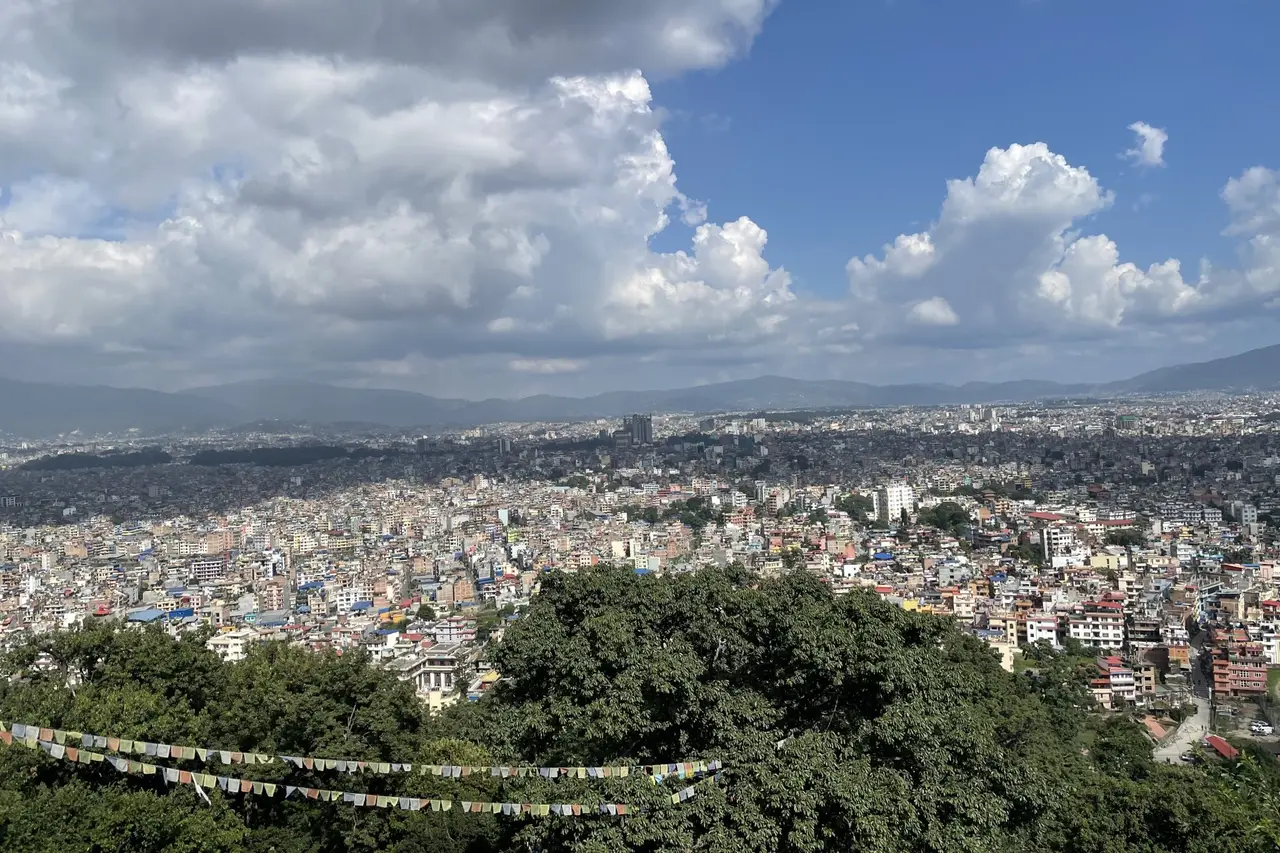
A dense city of low buildings spreading to the hills under a cloudy sky
Kathmandu, seen from above. Photo: Pooja Derashri, CC0 1.0.

Open questions

  • How are towns and cities changing as they grow?
  • How do roads, water supply, and housing keep pace with that growth?
  • What do local governments need in order to plan well?
Nepal's 753 local governments
Metropolitan cities
6
Sub-metropolitan cities
11
Municipalities
276
Rural municipalities
460

Source: List of cities in Nepal, Wikipedia

Policy

How government decisions are made and carried out.

Government Policies and Public Policy

Public policy is the set of decisions, laws, and programmes through which governments respond to public problems. We study policies in Nepal, how they are implemented, and how they relate to technology, planning, and development. We are particularly interested in the distance between a policy as written and the way it works on the ground.

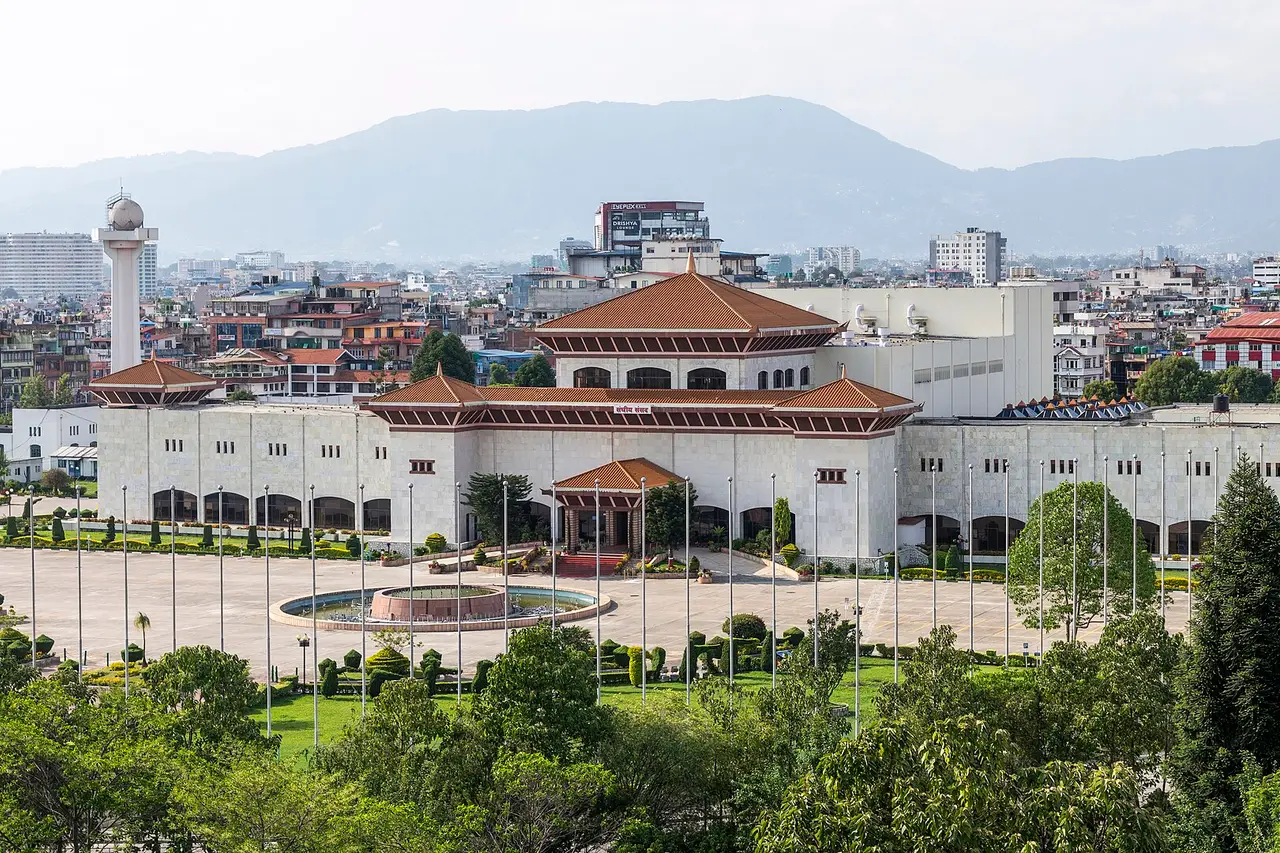
A large white government building with tiered red roofs, gardens in front and hills behind
Nepal's Federal Parliament building. Photo: Bijay Chaurasia, CC BY-SA 4.0.

Open questions

  • How is a policy carried out across federal, provincial, and local government?
  • Where can technology and data help with implementation?
  • How do policies on technology and development reach the people they are meant for?
Three spheres of government
  • 1FederationThe federal government
  • 7ProvincesEach with its own government and assembly
  • 753Local levelsMetropolitan cities, municipalities, and rural municipalities

Source: Constitution of Nepal (2015), Article 56

Photo credits